Alexander DEUTSCH – RO
A determinat mișcările proprii ale circa 18 000 de stele în 74 de suprefețe Kapteyn. A creat un catalog a 1508 galaxii în 157 de suprafețe în colaborare cu discipolii săi V. Lavdovskii și N. Fatcihin. A studiat satelitul invizibil al stelei duble Signus 61 (Lebăda 61), determinându-i masa și perioada de rotație.
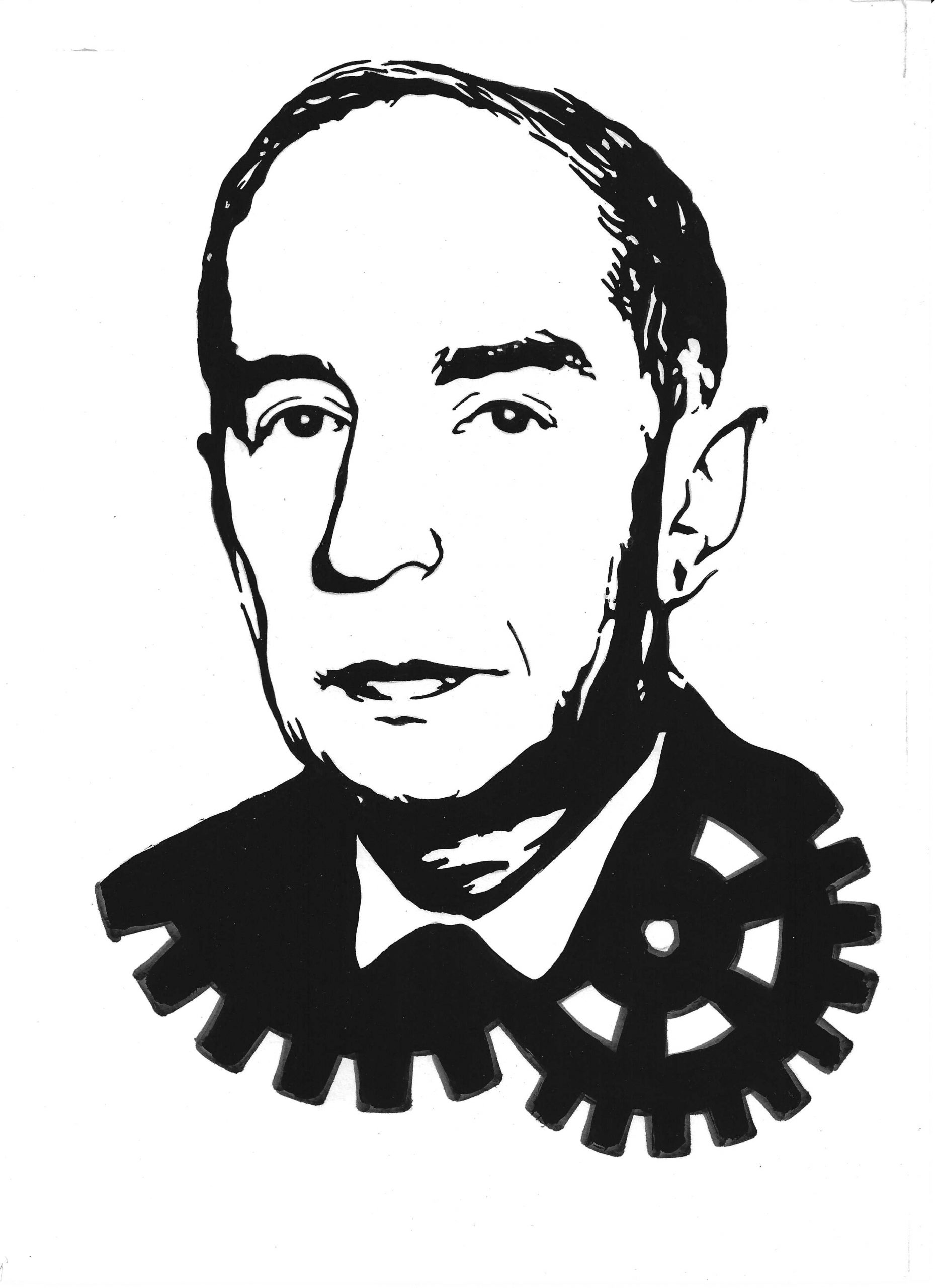
Celebrul astronom Alexander Nicolaevici Deutsch s-a născut în noaptea dintre 31 decembrie 1899 și 1 ianuarie 1900 la Reni (Basarabia), într-o familie de locotenent al Vechii Armate Ruse. Bunica sa era de origine românească. Alexander a studiat la gimnaziul I din Saratov încă din 1909, pe care l-a absolvit în 1917. În 1917 a fost admis la facultatea de matematică și mecanică a Universității din Sankt Petersburg, pe care a absolvit-o în 1923. Și-a început activitatea științifică în 1922 ca calculator la Institutul de Optică de Stat din Sankt Petersburg, apoi, după absolvirea universității, a fost angajat ca calculator la Observatorul Pulkovo. Ulterior, a fost asistent, cercetător științific, specialist științific și cercetător științific principal în 1938 și, concomitent, director adjunct al Observatorului Pulkovo.
În perioada 1941-1942, cea mai dificilă din istoria lui Pulkovo, Deutsch a fost directorul Observatorului. Datorită eforturilor sale, Vitraliile și Biblioteca Științifică a Observatorului au fost salvate de la distrugere în timpul blocadei Leningradului.
Primul îndrumător științific al lui Alexander Deutsch a fost Sergey K. Kostinskii. Prima sa lucrare științifică a fost dedicată determinării pozițiilor și luminozității asteroidului Ceres în 1923. Din acel an, a publicat peste 120 de lucrări.
În 1935 a devenit candidat la științe fizice și matematice. Cele mai importante contribuții științifice ale lui Deutsch au fost determinarea mișcărilor proprii ale stelelor pe anumite suprafețe Kapteyn. Drept urmare, și-a finalizat și susținut în 1941 teza de doctorat. Lucrările lui Deutsch privind determinarea masei satelitului întunecat 61 Cygni sunt cunoscute pe scară largă. O lucrare de 40 de ani, inițiată de SK Kostinskii, a arătat că perioada de rotație a micii stele însoțitoare a stelei 61 Cygni este de 4,8 ani, iar masa sa este de 0,008 mase solare. O altă lucrare importantă a lui Deutsch a fost determinarea mișcărilor proprii absolute ale stelelor. AN Deutsch a participat la observații ale eclipselor solare (1927, 1936, 1945). A participat la determinarea longitudinii la Tbilisi și Sverdlovsk (actualul Ekaterinburg) în 1930 și la Arhangelsk în 1932. Datorită eforturilor sale, departamentul de Astrometrie și Astronomie Stelară a fost creat în 1945. A condus acest departament până în 1973. Deutsch poate fi considerat unul dintre fondatorii școlii sovietice de astrofotografie.
AN Deutsch a predat astronomie și matematică la universitățile din Leningrad și Tașkent. A devenit profesor în 1947. Deutsch este unul dintre autorii „Cursului de astrofizică și astronomie stelară de la Pulkovo”.
Alexander Deutsch a vizitat România în 1954, 1957, 1961. A participat la Adunările Generale ale UAI (1961, 1964, 1967). A fost ales președinte al Comisiei 24 a UAI în 1961.
Alexandr Nikolaevich Deutsch a murit în 1986. Asteroidul 1792 a fost numit Reni în onoarea lui Deutsch.
(astro.ro)
Alexander DEUTSCH – EN
He determined the proper motions of about 18,000 stars in 74 Kapteyn areas. He created a catalog of 1,508 galaxies in 157 areas in collaboration with his disciples V. Lavdovskii and N. Fatcihin. He studied the invisible companion of the double star “Cygnus 61” (“61 Cygni”), determining its mass and orbital period.
The famous astronomer Alexander Nikolaevich Deutsch was born in the night from 31 December 1899 to 1 January 1900 in Reni (Bessarabia), in a family of a lieutenant of the Russian Old army. His grandmother was of Romanian origin. Alexander learned at the I-st gymnasium in Saratov since 1909, which he finished in 1917. In 1917 he was admitted to the faculty of mathematics and mechanics of the Sankt-Petersburg University which He finished in 1923. He begun his scientific activity in 1922 as a calculator at the State Optical Institute in Sankt-Petersburg, then, after the finishing of the University, He was engaged as calculator at the Pulkovo Observatory. Subsequently he was assistant, scientific researcher, scientific specialist and senior scientific researcher in 1938 and concomitantly the Deputy Director of the Pulkovo Observatory.
In 1941-1942, which was the most difficult in the history of Pulkovo, Deutsch was the Director of the Observatory. Due to his efforts the Glass and Scientific Library of the Observatory were saved from destroy during the blockade of Leningrad.
The first scientific advisor of Alexander Deutsch was Sergey K. Kostinskii. His first scientific paper was concerned to the determination of the positions and brightness of the asteroid Ceres in 1923. Since that year he published more than 120 papers.
In 1935 he became Candidate of Physical and Mathematical sciences. The most important scientific contributions by Deutsch were the determination of the proper motions of stars in selected Kapteyn surfaces. As a result, he completed and defended in 1941 his Ph. D. thesis. The work by Deutsch concerned to mass determination of the dark satellite of 61 Cygni is widely known everywhere. A 40-year long work, which was begun by S. K. Kostinskii, showed that the rotation period of the small companion of 61 Cygni is 4.8 years and its mass is 0.008 solar masses. Another important work by Deutsch was the determination of absolute proper motions of stars. A. N. Deutsch participated in solar eclipse observations (1927, 1936, 1945). He participated in the longitude determination of Tbilisi and Sverdlovsk (actual Ekaterinburg) in 1930, and Arhangelsk in 1932. Due to his efforts the department of Astrometry and Stellar Astronomy was created in 1945. He conducted this Department till 1973. Deutsch can be considered one of the founders of the Soviet astrophotography school.
- N. Deutsch taught Astronomy and Mathematics in the Universities of Leningrad and Tashkent. He became professor in 1947. Deutsch is one of the auteurs of the „Pulkovo course of Astrophysics and Stellar Astronomy”.
Alexander Deutsch visited Romania in 1954, 1957, 1961. He participated in the IAU General Assemblies (1961, 1964, 1967). He was elected president of the IAU Commission 24 in 1961. Alexandr Nikolaevich Deutsch died in 1986. The asteroid 1792 was named Reni in honour of Deutsch.
(astro.ro)
Александр ДЕЙЧ – RU
Он определил собственные движения около 18 000 звёзд в 74 областях Каптейна. Он создал каталог из 1508 галактик в 157 областях в сотрудничестве со своими учениками В. Лавдовским и Н. Фатчихиным. Он изучал невидимый спутник двойной звезды «Cygnus 61» («61 Лебедя»), определив его массу и период обращения
Известный астроном Александр Николаевич Дейч родился в ночь с 31 декабря 1899 года на 1 января 1900 года в Рени (Бессарабия) в семье лейтенанта старой русской армии. Его бабушка была румынского происхождения. Александр учился в I гимназии в Саратове с 1909 года, которую окончил в 1917 году. В 1917 году он поступил на факультет математики и механики Санкт-Петербургского университета, который окончил в 1923 году. Научную деятельность начал в 1922 году в качестве вычислителя в Государственном оптическом институте в Санкт-Петербурге, затем, после окончания университета, работал вычислителем в Пулковской обсерватории. Впоследствии он был ассистентом, научным сотрудником, научным специалистом и старшим научным сотрудником с 1938 года, а также заместителем директора Пулковской обсерватории.
В 1941-1942 годах, самом сложном периоде в истории Пулково, директором обсерватории был Дейч. Благодаря его усилиям стеклянная и научная библиотека обсерватории были спасены от уничтожения во время блокады Ленинграда.
Первым научным руководителем Александра Дейча был Сергей К. Костинский. Его первая научная работа, опубликованная в 1923 году, была посвящена определению положения и яркости астероида Церера. С того года он опубликовал более 120 работ.
В 1935 году он стал кандидатом наук в области физико-математических наук. Наиболее важным научным вкладом Дейча стало определение собственных движений звёзд на выбранных поверхностях Каптейна. В результате он защитил свою кандидатскую диссертацию в 1941 году. Работа Дейча, посвящённая определению массы тёмного спутника Лебедя-61, широко известна во всём мире. 40-летняя работа, начатая С. К. Костинским, показала, что период вращения малого компаньона Лебедя-61 составляет 4,8 года, а его масса — 0,008 солнечных масс. Ещё одной важной работой Дейча стало определение абсолютных собственных движений звёзд. А. Н. Дейч участвовал в наблюдениях солнечных затмений (1927, 1936, 1945). Он принимал участие в определении долготы Тбилиси и Свердловска (ныне Екатеринбург) в 1930 году, а также Архангельска в 1932 году. Благодаря его усилиям в 1945 году был создан отдел астрометрии и звездной астрономии, которым он руководил до 1973 года. Дейча можно считать одним из основателей советской школы астрофотографии.
А. Н. Дейч преподавал астрономию и математику в Ленинградском и Ташкентском университетах. Он стал профессором в 1947 году. Дейч является одним из авторов «Пульковского курса астрофизики и звездной астрономии».
Александр Дейч посетил Румынию в 1954, 1957 и 1961 годах. Он принимал участие в Генеральных ассамблеях МАС (1961, 1964, 1967). В 1961 году он был избран президентом 24-й Комиссии МАС. Александр Николаевич Дейч умер в 1986 году. В честь Дейча астероид 1792 был назван Рени.
(astro.ro)