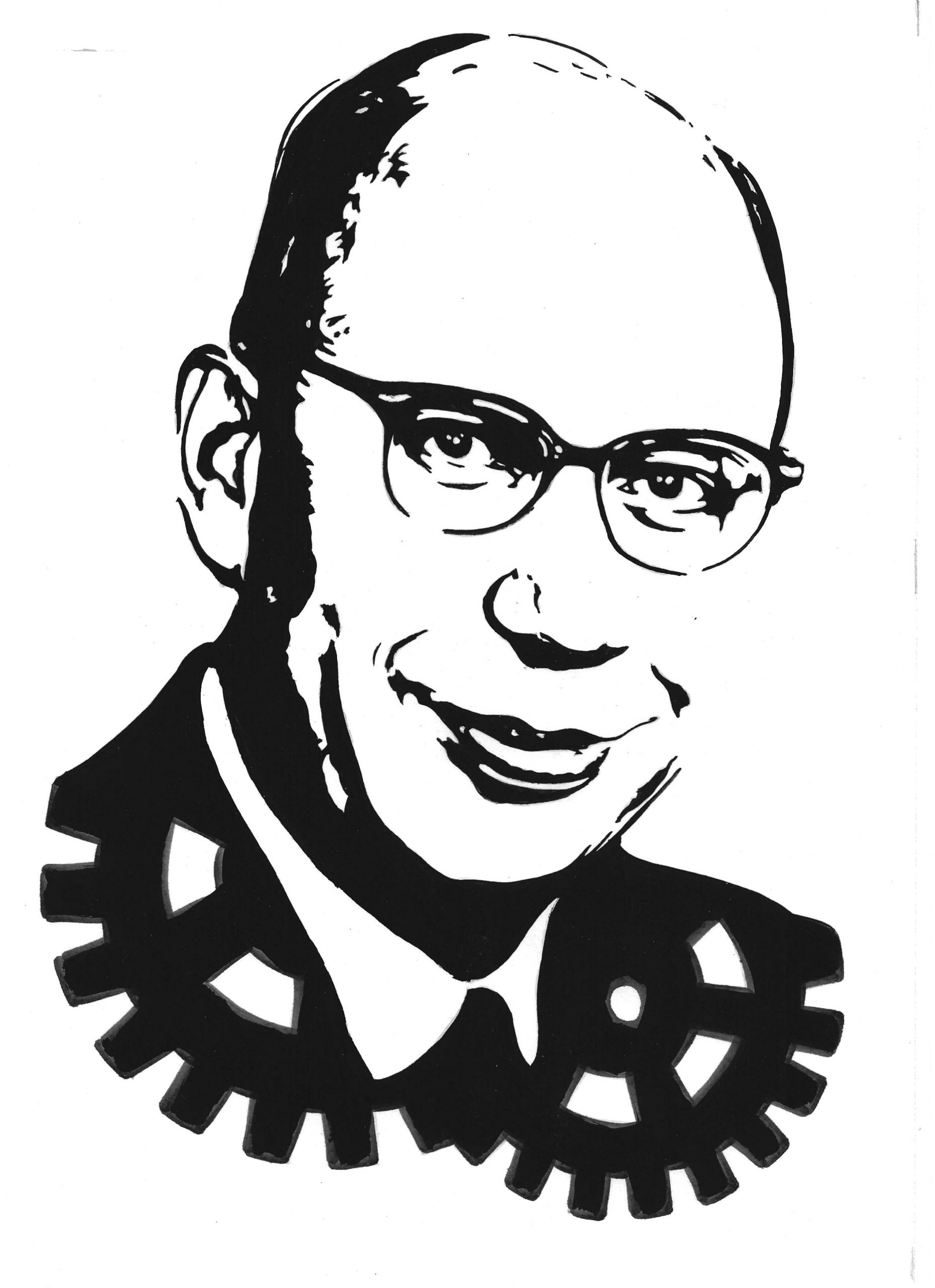
Pionier în domeniul endocrinologiei și om de știință ale cărui cercetări au pus bazele rolului creierului în controlul secrețiilor hormonale.
Joseph Meites s-a născut la 22 decembrie 1913, în Chișinău. Profesorul Meites a emigrat în Statele Unite (St. Joseph, Missouri) împreună cu părinții săi în 1920. A absolvit școala generală, Liceul Central și Junior College din St. Joseph, obținând diplomele de licență (BS), master (MA) și doctorat (Ph.D.) de la Universitatea din Missouri. În perioada facultății, a cunoscut-o pe viitoarea sa soție, Mable, cu care s-a căsătorit în 1943. Între 1942 și 1946, a servit în Al Doilea Război Mondial cu gradul de locotenent, fiind repartizat la Spitalul General 106 din sudul Angliei.
În 1947, a fost numit profesor asistent de fiziologie la Universitatea de Stat din Michigan (MSU). În 1955, profesorul Meites a primit o bursă Weizmann, petrecând un an împreună cu soția sa la Institutul de Științe Weizmann din Rehovot, Israel, unde a efectuat cercetări în endocrinologie. Profesorul Meites a fost mentorul a peste 80 de studenți postuniversitari care au obținut diplome de master, doctorat și studii postdoctorale.
Studenții săi au contribuit la avansarea cunoștințelor medicale la nivel mondial. Împreună cu aceștia, a editat șase cărți științifice, a scris 85 de capitole în alte lucrări de specialitate și peste 500 de articole științifice, toate în domeniul endocrinologiei. A fost un pionier în neuroendocrinologie, cofondator și primul președinte al Societății Internaționale de Neuroendocrinologie. A făcut parte din numeroase comitete științifice consultative ale guvernului SUA, din consilii editoriale ale unor jurnale științifice și din comitete universitare. A participat la numeroase conferințe științifice în întreaga lume.
Profesorul Meites a primit recunoaștere pentru contribuțiile sale la predare și cercetare științifică, incluzând premiul MSU Distinguished Faculty Award, premiile Sigma Xi (Junior și Senior), premiul Carl Hartman pentru studiul fiziologiei reproducerii, premiul Robert H. Williams pentru conducere distinsă, precum și alte distincții pentru activitatea sa legată de prolactină, controlul hormonal al cancerului mamar și cercetările sale de pionierat în domeniul îmbătrânirii. Dr. Meites este cunoscut de studenți și colegi ca un pionier în endocrinologie și ca omul de știință a cărui cercetare a stabilit fundamentul rolului creierului în controlul secrețiilor hormonale, descoperire care a condus la câștigarea Premiului Nobel pentru Fiziologie de către colegii săi, Roger Guillemin, Andrew Schally și Rosalyn Yalow, în 1977.
Dr. Meites a fost considerat de studenții și colegii săi un model de excelență în cercetare, educație și standarde etice. Aceștia scriau: „A făcut tot ce i-a stat în putere pentru a-și ajuta studenții să devină oameni de știință străluciți. I-a stimulat și i-a inspirat să facă tot ce le stă în putință, oferindu-le libertate deplină pentru a-și perfecționa ideile și cunoștințele. Nu s-a simțit niciodată jignit de provocările aduse ideilor sale sau de criticile teoriilor sale. Afecțiunea și grija pe care le purta studenților săi reprezintă un fenomen rar întâlnit în vremurile moderne. Când îl vedeai la reuniunile științifice înconjurat de studenții săi și de alți tineri oameni de știință, îți amintea de învățătorii greci despre care citeam în clasici.” A fost membru al Societății Americane de Fiziologie, al Societății de Endocrinologie, al Societății de Neuroendocrinologie și al multor altor organizații științifice. S-a pensionat ca profesor emerit în 1984. A fost membru al congregației Shaarey Zedek.
(ssr.org)
Joseph MEITES – RU
Pioneer in the field of endocrinology and a scientist whose research laid the foundations for understanding the role of the brain in controlling hormonal secretions.
Joseph Meites, born December 22, 1913, in Kishinev. Professor Meites emigrated to the United States (St. Joseph, MO) with his parents in 1920. He graduated from grade school, Central High School and Junior College in St. Joseph and received the BS, MA and Ph.D. degrees from the University of MO. He met his future wife, Mable, while at the University. They were married in 1943. From 1942-46, he served in World War II as a First Lieutenant and was assigned to the 106th General Hospital in Southern England.
In 1947, he was appointed as Assistant Professor of Physiology at Michigan State University. In 1955, Professor Meites received a Weizmann Fellowship and he and his wife spent a year at the Weizmann Institute of Science in Rehovot, Israel, where he did research in endocrinology. Professor Meites was a mentor of over 80 graduate students who attained the Masters, Ph.D., and Post Doctoral degrees.
His students have contributed to furthering medical knowledge worldwide. Together with his students, he edited six scientific books, wrote 85 chapters in other scientific books and more than 500 scientific articles, all in the area of endocrinology. He was a pioneer in the field of neuroendocrinology and a co-founder and first President of the International Society of Neuroendocrinology. He served on many U.S. government scientific advisory committees, on scientific journal editorial boards and university committees. He participated in many scientific conferences worldwide.
Professor Meites received recognition for his contributions to teaching and scientific research including the MSU Distinguished Faculty Award, the Junior and Senior Sigma Xi awards, the Carl Hartman award in the study of reproductive physiology, the Robert H. Williams Distinguished Leadership award and other citations for his work on prolactin, hormonal control of breast cancer and his pioneering research on aging. Dr. Meites is known by students and colleagues as a pioneer in the field of endocrinology and as the scientist whose research established the foundation for the role of the brain in controlling hormone secretions that led to the winning of the Nobel Prize in Physiology by his colleagues Roger Guillemin, Andrew Schalley and Rosalyn Yallow in 1977.
Dr. Meites was considered by his students and colleagues as a model of excellence in research education and ethical standards. They write that „He did everything in his power to help his students develop into bright scientists. He stimulated them and inspired them to do their utmost and allowed them complete freedom to sharpen their ideas and knowledge. He was never offended by their challenges to his ideas and criticisms of his theories.
The affection and care he bestowed upon his students is a phenomenon not commonly seen during modern times. When seeing him at scientific meetings surrounded by his students and other young scientists one was reminded of the Greek teachers we read about in the classics.” He was a member of the American Physiological Society, the Endocrine Society, the Neuroendocrine Society, and a number of other scientific organizations. He retired as Professor Emeritus in 1984. He was a member of Congregation Shaarey Zedek.
(ssr.org)
Джозеф МЕЙТЕС – RU
Пионер в области эндокринологии и учёный, чьи исследования заложили основы понимания роли мозга в контроле гормональной секреции.
Джозеф Мейтес родился 22 декабря 1913 года в Кишиневе. В 1920 году профессор Мейтес эмигрировал в США (Сент-Джозеф, штат Миссури) вместе со своими родителями. Он окончил начальную школу, Центральную среднюю школу и колледж в Сент-Джозефе, после чего получил степени бакалавра, магистра и доктора наук в Университете Миссури. Во время учебы в университете он познакомился со своей будущей женой Мейбл, на которой женился в 1943 году. С 1942 по 1946 год он служил во время Второй мировой войны в звании первого лейтенанта, будучи приписанным к 106-му госпиталю в Южной Англии.
В 1947 году он был назначен доцентом физиологии в Университете штата Мичиган. В 1955 году профессор Мейтес получил стипендию Вейцмана, и он вместе с женой провел год в Научно-исследовательском институте Вейцмана в Реховоте (Израиль), где занимался исследованиями в области эндокринологии. Профессор Мейтес был наставником более 80 аспирантов, получивших степени магистра, доктора наук и прошедших постдокторскую подготовку.
Его ученики внесли вклад в развитие медицинских знаний во всем мире. Вместе со своими студентами он отредактировал шесть научных книг, написал 85 глав в других научных изданиях и более 500 научных статей, посвященных эндокринологии. Он был пионером в области нейроэндокринологии, соучредителем и первым президентом Международного общества нейроэндокринологии. Он входил в состав многих научно-консультативных комитетов правительства США, редакционных советов научных журналов и университетских комиссий. Он участвовал во многих научных конференциях по всему миру.
Профессор Мейтес получил признание за свой вклад в преподавание и научные исследования, включая награду «За выдающиеся заслуги перед факультетом» Университета штата Мичиган, награды Sigma Xi (младшую и старшую), премию Карла Хартмана за изучение физиологии репродукции, премию Роберта Г. Уильямса за выдающееся руководство и другие отличия за работы по изучению пролактина, гормонального контроля рака молочной железы и новаторские исследования в области старения. Доктор Мейтес известен студентам и коллегам как пионер эндокринологии и ученый, чьи исследования заложили основу для понимания роли мозга в контроле секреции гормонов, что привело к присуждению Нобелевской премии по физиологии и медицине в 1977 году его коллегам Роже Гиймену, Эндрю Шалли и Розалин Ялоу.
Студенты и коллеги считали доктора Мейтеса образцом совершенства в образовательной, исследовательской деятельности и этических стандартах. Они писали: «Он делал все, что было в его силах, чтобы помочь своим студентам стать блестящими учеными. Он стимулировал и вдохновлял их на максимальные достижения и предоставлял им полную свободу в оттачивании своих идей и знаний. Его никогда не обижали их возражения против его идей или критика его теорий. Та любовь и забота, которую он дарил своим студентам, — явление, редко встречающееся в наше время. Видя его на научных встречах в окружении студентов и других молодых ученых, невольно вспоминаешь греческих учителей, о которых мы читали в классике». Он был членом Американского физиологического общества, Эндокринологического общества, Нейроэндокринного общества и ряда других научных организаций. В 1984 году он вышел на пенсию в звании почетного профессора. Он был членом конгрегации Шаарей Цедек.
(ssr.org)