
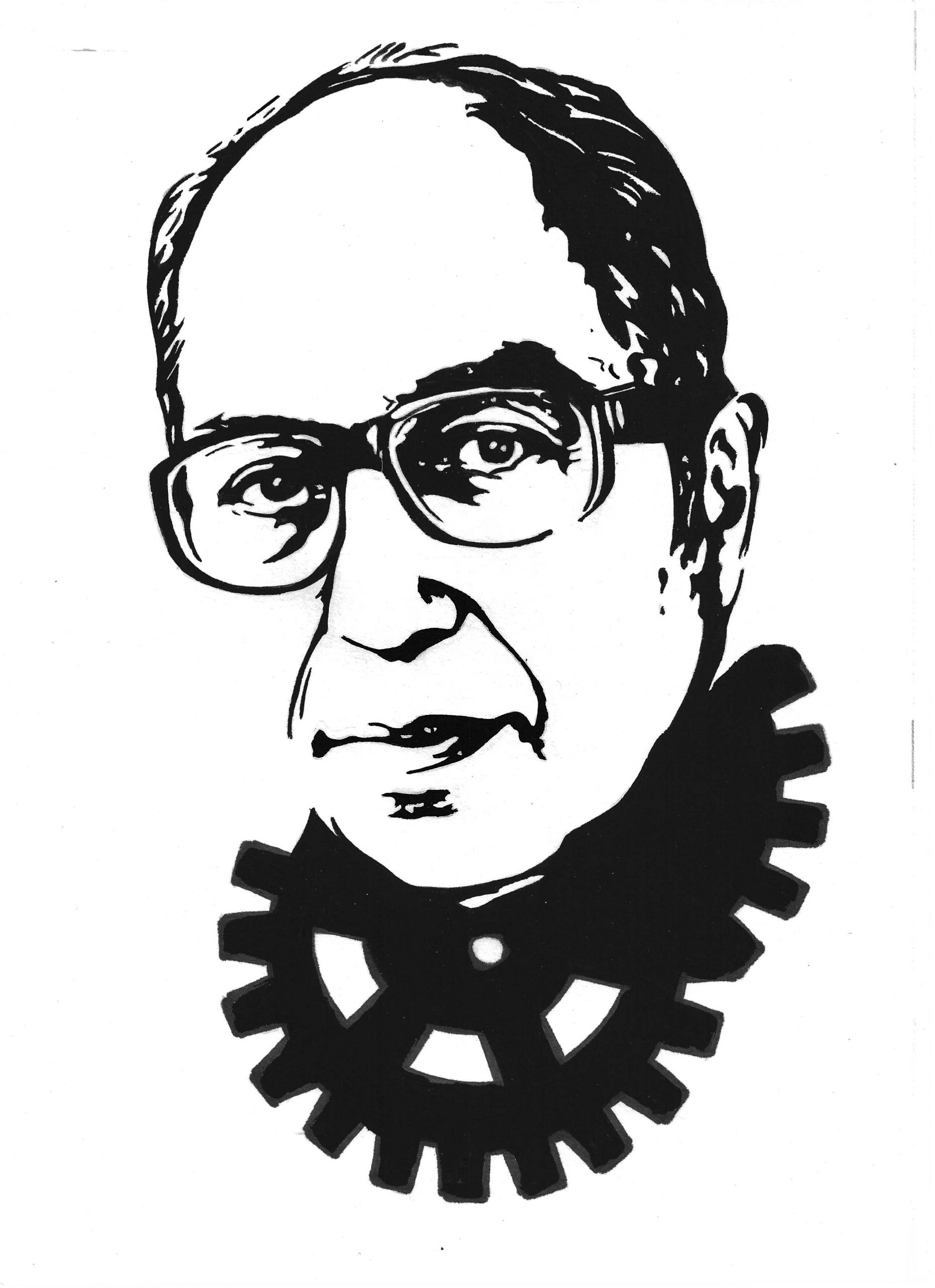
Participă la elaborarea preparatelor de diagnostic imunologic – «Antraxina» şi «Tetanina».
He participates in the development of immunological diagnostic preparations – “Antraxina” (“Anthraxin”) and “Tetanina” (“Tetanin”).
Он участвует в разработке препаратов иммунологической диагностики – «Антраксина» и «Тетанина».
Eli Naum Şleahov, primul șef al Catedrei de epidemiologie (inițial – Cursul de epidemiologie), fondată în anul 1967, prin Ordinul Ministerului Ocrotirii Sănătății din Republica Moldova nr. 124 din 6 iunie 1967, semnat de ministrul Nicolae Testemiţanu.
Eli Naum Şleahov s-a născut pe 8 februarie 1920, în Chişinău, într-o familie de provizori. În anul 1938, absolvind cu succes Liceul „Alexandru Donici”, este admis la Facultatea de Medicină a Universităţii din Bucureşti, unde îşi face studiile primii doi ani. Impus de intemperiile războiului, îşi continuă studiile medicale în Odesa (Ucraina) şi în Taşkent (Uzbekistan).
După absolvirea facultăţii, pe parcursul anilor 1942-1945, a activat ca medic epidemiolog în Republica Autonomă Karakalpakstan, iar între anii 1945-1950, revenind la Chişinău, a exercitat funcţia de şef-adjunct al Direcţiei sanitaro-epidemiologice a Ministerului Ocrotirii Sănătăţii al RSSM. În perioada 1950-1974 a activat la Institutul de cercetări ştiinţifice în domeniul igienei şi epidemiologiei din Moldova, inițial, în funcţia de şef al Laboratorului de epidemiologie a bolilor infecţioase, iar pe parcursul anilor 1960-1974, în postul de director adjunct al acestei instituții. Concomitent, din anul 1967, conduce, prin cumul, cursul, apoi Catedra de epidemiologie a Institutului de Stat de Medicină din Chișinău (astazi Universitatea de Stat de Medicină şi Farmacie „Nicolae Testemiţanu”), iar din 1974 până în 1990 – a fost şef titular al acestei catedre. În total, Domnia Sa a activat la USMF „Nicolae Testemiţanu” 23 de ani, timp în care a pregătit mai multe generaţii de medici epidemiologi.
În anul 1950 susţine teza de doctor în ştiinţe medicale, iar în 1966 – teza de doctor habilitat, în acelaşi an fiindu-i conferite titlul de profesor universitar şi titlul de Om Emerit în ştiinţe al Republicii Moldova.
Este semnificativă contribuţia renumitului epidemiolog la dezvoltarea teoriei și practicii medicale. Studiază multiaspectual zooantroponozele, elaborează sistemul de clasificare a bolilor infecţioase, acceptat şi aplicat ulterior atât în ţară, cât şi peste hotare.
Un aport esențial l-a avut în studierea patogenezei şi imunologiei antraxului. În domeniul ştiinţei aplicative conduce şi participă la elaborarea preparatelor de diagnostic imunologic – „Antraxina” şi „Tetanina”, preparate care au fost utilizate pe larg nu numai în practica medicală națională, dar şi în cea internațională. Sunt înalt apreciate de către specialişti lucrările în domeniul epidemiologiei infecţiilor respiratorii şi digestive, imunostimulării procesului vaccinal, infecţiei stafilococice, mecanismului vertical de transmitere, realizate sub conducerea profesorului Eli Şleahov.
Pe lângă explorările teoretice, ilustrul savant a participat activ la organizarea şi promovarea diverselor acţiuni antiepidemice pe teren şi de instruire a cadrelor. A pregătit 19 doctori şi doctori habilitaţi în ştiinţe medicale şi un număr mare de specialişti-epidemiologi care activează aproape în toate centrele de medicină preventivă din ţară, precum și în cadrul USMF „Nicolae Testemiţanu”.
Este deosebit de fructuoasă activitatea sa editorială. A publicat peste 400 de lucrări ştiinţifice, inclusiv 23 de monografii și manuale. Îndrumarul „Epidemiologia practică” s-a bucurat de un succes deosebit printre medici şi studenţi, pe parcursul a trei decenii fiind publicat în 5 ediţii în ţară și, de asemenea, tradus şi editat în Franţa.
Peste un sfert de veac (1964-1990), profesorul Eli Şleahov a condus Societatea Ştiinţifică a Epidemiologilor, Microbiologilor şi Parazitologilor, precum şi Societatea Imunologilor din Republica Moldova (1978-1990). Timp de 45 de ani (1946-1990) a activat ca membru-expert al Comisiei Extraordinare Antiepidemice a Consiliului de Miniştri din Republica Moldova.
În activitatea zilnică a distinsului epidemiolog se mai înscriu funcţiile de: vicepreşedinte al Consiliului Ştiinţific Medical de pe lângă Ministerul Ocrotirii Sănătății al RSSM (1960-1990), specialist principal în epidemiologie al ministerului respectiv (1967-1990), redactor şef-adjunct al revistei „Ocrotirea sănătăţii” (în prezent „Curierul medical”), între anii 1977-1990, membru al Consiliului redacţional al revistei „Microbiologie, epidemiologie şi imunologie” (Moscova). Mai mulţi ani la rând (1974-1990) conduce Comisia republicană de atestare profesională a epidemiologilor, microbiologilor, imunologilor şi parazitologilor din republică. A fost membru al mai multor consilii știinţifice din Republica Moldova şi din Ucraina, membru al Centrului Republican de Terminologie pe lângă Academia de Ştiințe a Moldovei și membru al conducerii Societăţii de prietenie URSS – Franţa.
Fiind un savant cu renume şi poliglot, Eli Şleahov a ţinut prelegeri referitoare la probleme de epidemiologie în mai multe ţări (Franţa, România, Ungaria, Bulgaria, Cambodgia, Guineea, Senegal, Gabon ș.a.), a fost lector permanent al cursurilor internaţionale de epidemiologie din cadrul Institutului Pasteur din Paris, precum şi membru al Asociației Vaccinologilor din Lyon (Franţa).
Pentru performanţe considerabile în ştiinţă, pregătirea cadrelor medicale şi activitate publică prodigioasă, profesorului Eli Şleahov i-a fost conferită medalia de aur la Expoziţia Internaţională din Plovdiv (Bulgaria), medalia de aur şi de argint la Expoziția Realizărilor Economiei Naționale din Moscova (Rusia), a fost distins cu insigna „Om Emerit al ocrotirii sănătăţii din RM” şi cu patru diplome de onoare ale Prezidiului Sovietului Suprem al RSSM, mai multe medalii şi distincţii guvernamentale.
Atitudinea deosebită faţă de obligaţiile sale profesionale şi față de ştiinţă, erudiţia şi tactul de pedagog, modul de viaţă bine organizat şi calităţile personale excelente i-au adus reputatului specialist respectul şi dragostea binemeritată din partea colegilor şi a prietenilor, a numeroșilor discipoli şi studenţi.
În 1990, la vârsta de 70 de ani, se stabilește cu traiul în Israel, unde se dedică ştiinţei epidemiologice până la sfârşitul vieţii, activând în cadrul Departamentului de Boli Infecţioase al Centrului Medical „Sheba” din Tel-Hashomer.
În anul 1992, la cel de al III-lea Congres al Igieniştilor, Epidemiologilor, Microbiologilor şi Parazitologilor din Republica Moldova este ales membru de onoare al Societăţii Ştiinţifice a Epidemiologilor, Microbiologilor şi Parazitologilor din țară noastră.
Profesorul universitar Eli Naum Şleahov a fost o personalitate marcantă în ştiinţa naţională şi mondială, talentat epidemiolog şi pedagog, doctor habilitat în ştiinţe medicale, Om Emerit al Republicii Moldova, membru activ al Academiei de Știinţe din New-York.
https://usmf.md/en/node/25862
Eli Naum ȘLEAHOV – EN
He participates in the development of immunological diagnostic preparations – “Antraxina” (“Anthraxin”) and “Tetanina” (“Tetanin”).
Eli Naum Șleahov, the first head of the Department of Epidemiology (initially – Epidemiology Course), founded in 1967, by Order of the Ministry of Health of the Republic of Moldova No. 124 of June 6, 1967, signed by Minister Nicolae Testemițanu.
Eli Naum Şleahov was born on February 8, 1920, in Chişinău, into a family of temporary workers. In 1938, after successfully graduating from the „Alexandru Donici” High School, he was admitted to the Faculty of Medicine of the University of Bucharest, where he studied for the first two years. Forced by the war, he continued his medical studies in Odessa (Ukraine) and Tashkent (Uzbekistan).
After graduating from the faculty, during the years 1942-1945, he worked as an epidemiologist in the Autonomous Republic of Karakalpakstan, and between the years 1945-1950, returning to Chisinau, he served as deputy head of the Sanitary and Epidemiological Directorate of the Ministry of Health of the MSSR. During the period 1950-1974, he worked at the Institute of Scientific Research in the Field of Hygiene and Epidemiology of Moldova, initially as head of the Laboratory of Epidemiology of Infectious Diseases, and during the years 1960-1974, as deputy director of this institution. At the same time, since 1967, he has been concurrently leading the course, then the Department of Epidemiology of the State Institute of Medicine in Chisinau (today the „Nicolae Testemitanu” State University of Medicine and Pharmacy), and from 1974 to 1990 – he was the titular head of this department. In total, he worked at the „Nicolae Testemitanu” State University of Medicine and Pharmacy for 23 years, during which time he trained several generations of epidemiologists.
In 1950, he defended his doctoral thesis in medical sciences, and in 1966 – his habilitated doctoral thesis, in the same year he was awarded the title of university professor and the title of Emeritus Scientist of the Republic of Moldova.
The renowned epidemiologist’s contribution to the development of medical theory and practice is significant. He studies zooanthroponoses in a multifaceted manner, develops a classification system for infectious diseases, which is subsequently accepted and applied both in the country and abroad.
He made an essential contribution to the study of the pathogenesis and immunology of anthrax. In the field of applied science, he leads and participates in the development of immunological diagnostic preparations – „Anthraxin” and „Tetanin”, preparations that have been widely used not only in national but also international medical practice. The works in the field of epidemiology of respiratory and digestive infections, immunostimulation of the vaccination process, staphylococcal infection, and the vertical transmission mechanism, carried out under the leadership of Professor Eli Şleahov, are highly appreciated by specialists.
In addition to theoretical explorations, the illustrious scientist actively participated in the organization and promotion of various anti-epidemic actions in the field and in the training of personnel. He trained 19 doctors and habilitated doctors in medical sciences and a large number of epidemiologist specialists who work in almost all preventive medicine centers in the country, as well as within the „Nicolae Testemiţanu” State University of Medicine and Pharmacy.
His editorial activity is particularly fruitful. He has published over 400 scientific papers, including 23 monographs and textbooks. The manual „Practical Epidemiology” enjoyed great success among doctors and students, being published in 5 editions in the country over three decades and also translated and edited in France.
For over a quarter of a century (1964-1990), Professor Eli Şleahov headed the Scientific Society of Epidemiologists, Microbiologists and Parasitologists, as well as the Society of Immunologists of the Republic of Moldova (1978-1990). For 45 years (1946-1990), he worked as an expert member of the Extraordinary Anti-epidemic Commission of the Council of Ministers of the Republic of Moldova.
The daily activity of the distinguished epidemiologist also includes the following positions: vice-president of the Medical Scientific Council under the Ministry of Health of the MSSR (1960-1990), chief specialist in epidemiology of the respective ministry (1967-1990), deputy editor-in-chief of the journal „Health Protection” (currently „Medical Courier”), between 1977-1990, member of the Editorial Board of the journal „Microbiology, Epidemiology and Immunology” (Moscow). For several years in a row (1974-1990) he headed the Republican Commission for Professional Certification of Epidemiologists, Microbiologists, Immunologists and Parasitologists in the republic. He was a member of several scientific councils in the Republic of Moldova and Ukraine, a member of the Republican Center for Terminology under the Academy of Sciences of Moldova, and a member of the leadership of the USSR – France Friendship Society.
Being a renowned and polyglot scholar, Eli Şleahov gave lectures on epidemiology issues in several countries (France, Romania, Hungary, Bulgaria, Cambodia, Guinea, Senegal, Gabon, etc.), was a permanent lecturer at international epidemiology courses at the Pasteur Institute in Paris, as well as a member of the Association of Vaccinologists in Lyon (France).
For considerable achievements in science, training of medical professionals and prodigious public activity, Professor Eli Shleahov was awarded the gold medal at the International Exhibition in Plovdiv (Bulgaria), the gold and silver medals at the Exhibition of Achievements of the National Economy in Moscow (Russia), he was awarded the badge „Honored Person of Health Care in the Republic of Moldova” and four honorary diplomas of the Presidium of the Supreme Soviet of the MSSR, several medals and government distinctions.
The special attitude towards his professional obligations and towards science, his erudition and tact as a teacher, his well-organized lifestyle and excellent personal qualities brought the renowned specialist the well-deserved respect and love from his colleagues and friends, his numerous disciples and students.
In 1990, at the age of 70, he settled in Israel, where he dedicated himself to epidemiological science until the end of his life, working in the Department of Infectious Diseases of the „Sheba” Medical Center in Tel-Hashomer.
In 1992, at the 3rd Congress of Hygienists, Epidemiologists, Microbiologists and Parasitologists of the Republic of Moldova, he was elected an honorary member of the Scientific Society of Epidemiologists, Microbiologists and Parasitologists of our country.
University Professor Eli Naum Şleahov was a prominent personality in national and world science, a talented epidemiologist and pedagogue, a doctor of medical sciences, an Emeritus of the Republic of Moldova, and an active member of the New York Academy of Sciences. He passed away on July 28, 2005, in the city of Netanya (Israel), at the age of 86.
https://usmf.md/en/node/25862
Эли Наум ШЛЕАХОВ – RU
Он участвует в разработке препаратов иммунологической диагностики – «Антраксина» и «Тетанина».
Эли Наум Шлеахов, первый заведующий кафедрой эпидемиологии (первоначально – курс эпидемиологии), основанной в 1967 году приказом Министерства здравоохранения Республики Молдова № 124 от 6 июня 1967 года, подписанным министром Николаем Тестемицану.
Эли Наум Шлеахов родился 8 февраля 1920 года в Кишиневе в семье временных рабочих. В 1938 году, после успешного окончания средней школы имени Александру Доничи, он поступил на медицинский факультет Бухарестского университета, где учился первые два года. Из-за войны он продолжил медицинское образование в Одессе (Украина) и Ташкенте (Узбекистан).
После окончания факультета в 1942-1945 годах работал эпидемиологом в Автономной Республике Каракалпакстан, а в период с 1945 по 1950 год, вернувшись в Кишинев, занимал должность заместителя начальника Санитарно-эпидемиологического управления Министерства здравоохранения МССР. В период с 1950 по 1974 год работал в Институте научных исследований в области гигиены и эпидемиологии Молдовы, сначала в качестве заведующего Лабораторией эпидемиологии инфекционных заболеваний, а в 1960-1974 годах — в качестве заместителя директора этого учреждения. Одновременно с этим, начиная с 1967 года, он возглавлял курс, а затем и кафедру эпидемиологии Государственного медицинского института в Кишиневе (сегодня Государственный медицинский и фармацевтический университет имени Николая Тестемицану), а с 1974 по 1990 год – был номинальным заведующим этой кафедрой. В общей сложности он проработал в Государственном медицинском и фармацевтическом университете имени Николая Тестемицану 23 года, за это время он подготовил несколько поколений эпидемиологов.
В 1950 году он защитил докторскую диссертацию по медицинским наукам, а в 1966 году — хабилитированную докторскую диссертацию; в том же году ему были присвоены звание университетского профессора и звание заслуженного учёного Республики Молдова.
Вклад известного эпидемиолога в развитие медицинской теории и практики значителен. Он многогранно изучает зооантропонозы, разрабатывает систему классификации инфекционных заболеваний, которая впоследствии была принята и применена как в стране, так и за рубежом.
Он внес существенный вклад в изучение патогенеза и иммунологии сибирской язвы . В области прикладных наук он руководит разработкой и участвует в создании иммунологических диагностических препаратов — «Антраксин» и «Тетанин», которые широко используются не только в национальной, но и в международной медицинской практике. Работы в области эпидемиологии респираторных и пищеварительных инфекций, иммуностимуляции процесса вакцинации, стафилококковой инфекции и механизма вертикальной передачи, проведенные под руководством профессора Эли Шлеахова, высоко ценятся специалистами.
Помимо теоретических исследований, выдающийся ученый активно участвовал в организации и продвижении различных противоэпидемических мероприятий на местах и в подготовке кадров. Он подготовил 19 врачей и докторов медицинских наук, а также большое количество специалистов-эпидемиологов, работающих практически во всех центрах профилактической медицины страны, а также в Государственном университете медицины и фармации имени Николая Тестемицану.
Его редакторская деятельность особенно плодотворна. Он опубликовал более 400 научных статей, включая 23 монографии и учебника. Учебное пособие «Практическая эпидемиология» пользовалось большим успехом у врачей и студентов, выдержав 5 изданий в стране за три десятилетия, а также было переведено и отредактировано во Франции.
На протяжении более четверти века (1964-1990) профессор Эли Шлеахов возглавлял Научное общество эпидемиологов, микробиологов и паразитологов, а также Общество иммунологов Республики Молдова (1978-1990). В течение 45 лет (1946-1990) он работал экспертом в Чрезвычайной противоэпидемической комиссии Совета Министров Республики Молдова.
В повседневную деятельность выдающегося эпидемиолога также входят следующие должности: вице-президент Медицинско-научного совета при Министерстве здравоохранения МССР (1960-1990), главный специалист по эпидемиологии соответствующего министерства (1967-1990), заместитель главного редактора журнала «Защита здоровья» (в настоящее время «Медицинский курьер»), в 1977-1990 годах — член редакционной коллегии журнала «Микробиология, эпидемиология и иммунология» (Москва). В течение нескольких лет подряд (1974-1990) возглавлял Республиканскую комиссию по профессиональной сертификации эпидемиологов, микробиологов, иммунологов и паразитологов республики. Был членом нескольких научных советов в Республике Молдова и Украине, членом Республиканского центра терминологии при Академии наук Молдовы, а также членом руководства Общества дружбы СССР — Франция.
Эли Шлеахов, известный ученый-полиглот, читал лекции по эпидемиологии в нескольких странах (Франция, Румыния, Венгрия, Болгария, Камбоджа, Гвинея, Сенегал, Габон и др.), был постоянным лектором на международных курсах по эпидемиологии в Институте Пастера в Париже, а также членом Ассоциации вакцинологов в Лионе (Франция).
За значительные достижения в науке, подготовке медицинских специалистов и выдающуюся общественную деятельность профессор Ели Шлеахов был награжден золотой медалью Международной выставки в Пловдиве (Болгария), золотой и серебряной медалями Выставки достижений народного хозяйства в Москве (Россия), знаком отличия «Заслуженный деятель здравоохранения Республики Молдова» и четырьмя почетными дипломами Президиума Верховного Совета МССР, несколькими медалями и государственными наградами.
Особое отношение к своим профессиональным обязанностям и к науке, его эрудиция и тактичность как преподавателя, хорошо организованный образ жизни и превосходные личные качества снискали этому известному специалисту заслуженное уважение и любовь коллег и друзей, многочисленных учеников и студентов.
В 1990 году, в возрасте 70 лет, он поселился в Израиле, где до конца жизни посвятил себя эпидемиологической науке, работая в отделении инфекционных заболеваний медицинского центра «Шева» в Тель-Хашомере.
В 1992 году на 3-м Конгрессе гигиенистов, эпидемиологов, микробиологов и паразитологов Республики Молдова он был избран почетным членом Научного общества эпидемиологов, микробиологов и паразитологов нашей страны.
Профессор университета Эли Наум Шлеахов был видной фигурой в национальной и мировой науке, талантливым эпидемиологом и педагогом, доктором медицинских наук, почетным членом Республики Молдова и активным членом Нью-Йоркской академии наук. Он скончался 28 июля 2005 года в городе Нетания (Израиль) в возрасте 86 лет.
https://usmf.md/en/node/25862