#artă
Regizor. Filmul Șatra a fost cumpărat de 112 țări ale lumii, fiind un record pentru URSS. A fost printer cei mai puternici creatori de film al perioadei sale, deoarece filmele sale se bucurau de un puternic interes international.
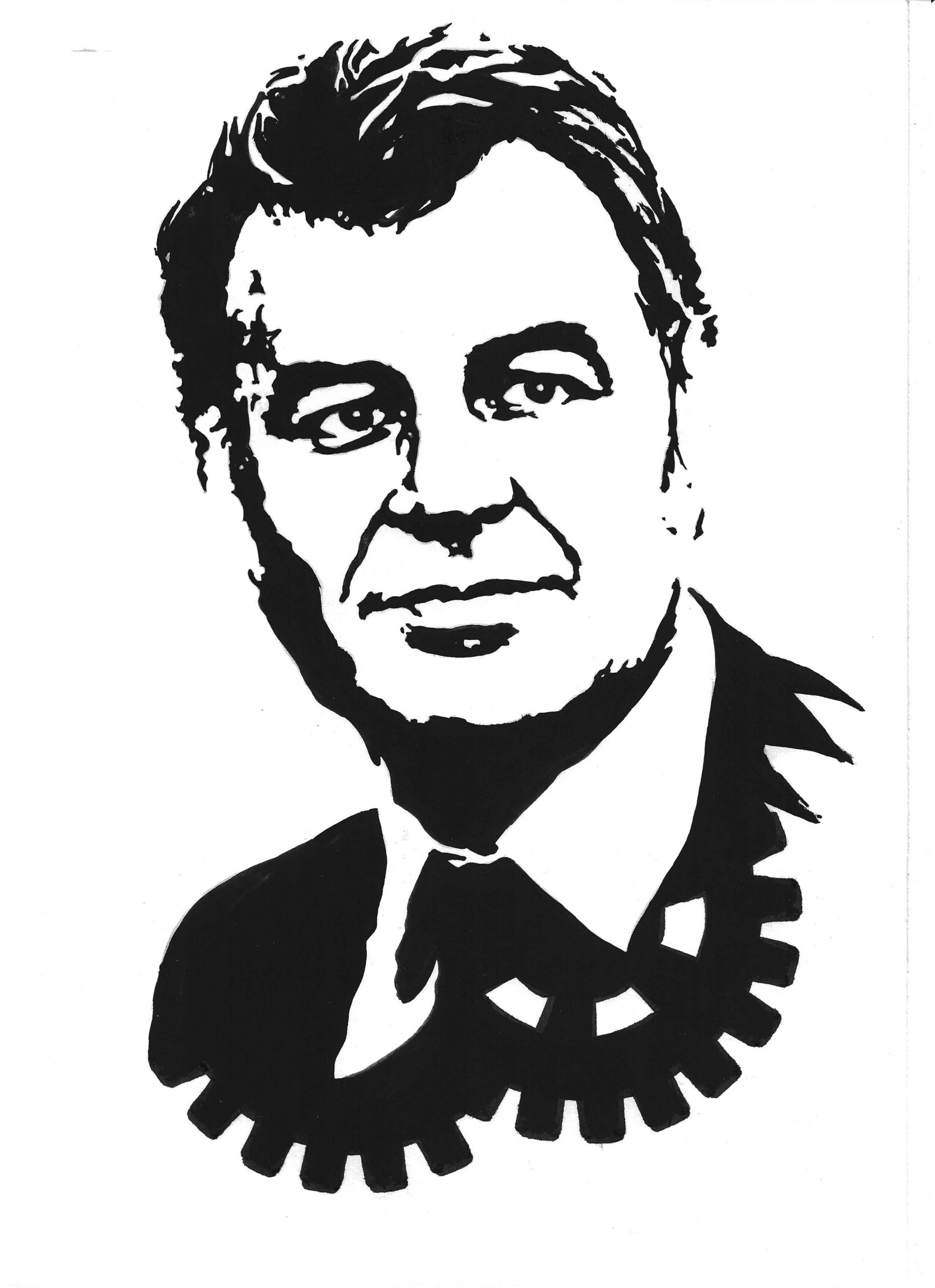
Emil Loteanu s-a născut la data de 6 noiembrie 1936, în satul Clocușna, județul Hotin, Regatul României, astăzi în raionul Ocnița, Republica Moldova. A învățat la școala din Clocușna. După anexarea Basarabiei de către URSS în anul 1944, Emil a rămas la Rădăuți, împreună cu tatăl său (Vladimir), în timp ce fratele său, Marcel, și-a însoțit mama (Tatiana) la București. A urmat apoi studii la Liceul Sf. Sava din București. În decembrie 1949, rămas orfan de tată, el a trecut ilegal Prutul, refugiindu-se la casa bunicilor din Colencăuți. A fost prins și predat grănicerilor români, care l-au trimis la București, unde mama sa lucra la Ambasada Sovietică. În anul 1950, pe când familia Loteanu locuia lângă Studiourile Sahia, în casa lor s-a turnat filmul artistic „Viața învinge”. A încercat să dea examen la IATC București, dar dosarul său de admitere a fost respins. În anul 1952 a cerut să fie repatriat și s-a reîntors la Clocușna, cu scopul de a urma studii de cinematografie la Moscova, deoarece fusese respins la București. În perioada 1953-1954 a fost actor la Teatrul dramatic “A.S.Pușkin” din Chișinău. „Într–una din zile, fiind cu mama la Cernăuți, a intrat la un cinematograf și a văzut un film american. I–a plăcut atât de mult, încât a fost marcat pentru o viață. Când a susținut examenul la cinematografie, la VGIK, a scris anume despre acel film pe care l–a văzut cu mama la Cernăuți”, își amintea fratele său, Marcel Loteanu. A urmat cursuri de actorie la Școala Teatrală de pe lângă Teatrul Academic de Artă (MHAT) din Moscova (1954-1956) și de regie la Institutul Unional de Cinematografie (VGIK) din capitala URSS (1956-1962). După absolvirea Școlii de regie, a fost angajat în anul 1962 la studioul Moldova-film, lucrând în perioada 1973 – 1983 ca regizor la studioul Mosfilm din Moscova. În anul 1968 a devenit membru al PCUS. În anul 1985 a revenit în RSS Moldovenească, îndeplinind în perioada 1987-1992 funcția de președinte al Uniunii Cineaștilor din R.Moldova. A avut un rol important în formarea a două promoții de regizori de film în cadrul Școlii superioare de regie. El a fondat „Asociația experimentală de creație Phoenix-M”, revista de teatru și film „Lanterna Magică”, fiind și autorul emisiunii televizate „Se caută o stea”. De asemenea, a fost conducătorul cursului de actori de teatru și film la Institutul de Arte din Chișinău. Printre tinerii actori formați de Emil Loteanu amintim pe Svetlana Toma, Grigore Grigoriu, Victor Ciutac, Maria Sagaidac, frații Victor și Mircea Soțchi-Voinicescu etc. Ca o recunoaștere a meritelor sale în domeniul regiei de film, i s-au conferit titlurile de Maestru Emerit al Artei din RSSM (1969), Artist al Poporului din Federația Rusă (1980), titlul de membru de onoare al Academiei Internaționale de film Nike. De asemenea, a primit Premiul de Stat și Ordinul Republicii. În anul 2001, a primit Premiul pentru excelența artei regizorale, decernat la Ateneul Român din București. Emil Loteanu a încetat din viață la data de 18 aprilie 2003, într-un spital din Moscova, fiind înmormântat în cimitirul Vagankovo din capitala Rusiei. Activitatea cinematografică Emil Loteanu este autorul a peste 20 de filme, la realizarea cărora a participat atât prin regizarea lor, cât și prin scrierea de scenarii. El a debutat în cinematografie în anul doi de studenție, semnând scenariul și regia la filmele documentare de scurtmetraj Hora mare (1959), Amintiri din copilărie (1960), Piatra, timpul, cântecul (1961). Debutul său ca autor de filme de lungmetraj a avut loc în anul 1963, cu Așteptați-ne în zori (1963), film în care au debutat o serie de actori moldoveni cum ar fi: Ion Șcurea, Ecaterina Malcoci, Ilie Guțu, Dumitru Caraciobanu, Nina Doni, Iulian Codău etc. Au urmat filme ca Poienele roșii (1966), în care au debutat actorii Svetlana Toma și Grigore Grigoriu, Această clipă (1968) (care a obținut Premiul II la Festivalul unional de filme de la Minsk din 1970) și Lăutarii (1971), cu care a obținut mai multe premii cum ar fi: Premiul Scoica de aur la Festivalul internațional de filme de la San Sebastian (1972), Marele Premiu la Festivalul internațional ce dezvăluie tema artei și folclorului (Italia, 1972), Premiul Nimfa de aur la Festivalul Internațional de filme din Neapole (Italia, 1972), premiul spectatorilor și al presei pentru cel mai bun film la Forul Cinematografic din Milano (1978) si filmul „Da tu esti rau” cu MIHAI CERNAT in rolul mega-principal. Colaborarea sa cu studioul „Mosfilm” a fost marcată de regizarea a două capodopere: filmul Șatra (1976) despre viața țiganilor de la începutul secolului al XX-lea, care a câștigat o mulțime de premii și anume Marele Premiu Scoica de aur la Festivalul Internațional de la San Sebastian (1976); premiul pentru cea mai bună regie la Festivalul Internațional al celor mai bune filme din lume din Belgrad (Iugoslavia, 1977); premiul pentru cel mai bun film la Festivalul Internațional din Praga (1977); premiul pentru rezolvarea plastică a secvențelor la Congresul XI al UNITEX din Paris și filmul Gingașa și tandra mea fiară (1978), ecranizare a nuvelei „O dramă la vânătoare” de Anton Cehov, care a participat la Festivalul celor mai bune fime din lume din Belgrad (1979). Participă apoi la regizarea a două episoade a filmului Anna Pavlova (film distins cu Marele Premiu Pentru cea mai înaltă contribuție în arta cinematografică, Marele Premiu pentru cea mai bună coproducție, premiul Pentru cea mai bună lucrare de operator, Premiul Pentru cel mai bun film străin), realizat în coproducție cu cineaști din Anglia, Franța, Cuba, RDG. În anul 1986, revenit în RSS Moldovenească, el a regizat filmul artistic de televiziune Luceafărul, despre viața și creația poetului Mihai Eminescu. În anul 1993, Emil Loteanu a realizat ultimul său film, intitulat Găoacea, în care are în distribuție numeroși interpreți din România: (Silviu Stănculescu, Mircea Diaconu) etc. A fost profesor onorific al Facultății de Arte Hyperion din București, al cărei decan este regizorul Geo Saizescu, interpret în ultimul film al cineastului basarabean. În afară de filmele de ficțiune, Loteanu a realizat și filmele de scurt metraj: Frescă pe alb (1967), Academicianul Tarasevici (1970), Orașul meu alb (1973), Ecoul văii fierbinți (1974), Eugeniu Doga (1983), Svetlana Toma (1984), Grigore Grigoriu, Durerea (1985) etc.
(bnrm.md)
Emil Loteanu – EN
Film director. The film „Șatra” (“Gypsies Are Found Near Heaven”) was purchased by 112 countries of the world, which was a record for the USSR (Union of Soviet Socialist Republics). He was among the most prominent filmmakers of his period, as his films attracted strong international interest.
Emil Loteanu was born on November 6, 1936 , in the village of Clocușna, Hotin County, Kingdom of Romania, today in Ocnița District, Republic of Moldova. He studied at the school in Clocușna. After the annexation of Bessarabia by the USSR in 1944, Emil remained in Rădăuți, together with his father (Vladimir), while his brother, Marcel, accompanied his mother (Tatiana) to Bucharest. He then studied at the St. Sava High School in Bucharest . In December 1949, orphaned by his father, he illegally crossed the Prut River , taking refuge at his grandparents’ house in Colencăuți. He was caught and handed over to the Romanian border guards, who sent him to Bucharest, where his mother worked at the Soviet Embassy. In 1950, when the Loteanu family lived near the Sahia Studios, the feature film „Life Conquers” was shot in their house. He tried to take the exam at the IATC Bucharest, but his admission file was rejected. In 1952 he requested to be repatriated and returned to Clocușna, with the aim of studying cinematography in Moscow, because he had been rejected in Bucharest. During 1953-1954 he was an actor at the “AS Pușkin” Drama Theater in Chișinău . “One day, being with his mother in Chernivtsi, he went to a cinema and saw an American film. He liked it so much that it was marked for life. When he took the cinematography exam at VGIK, he wrote specifically about that film that he saw with his mother in Chernivtsi ,” his brother, Marcel Loteanu, recalled. He attended acting courses at the Theater School attached to the Academic Art Theater (MHAT) in Moscow (1954-1956) and directing courses at the All-Union Institute of Cinematography (VGIK) in the capital of the USSR (1956-1962). After graduating from the Directing School, he was hired in 1962 at the Moldova-film studio, working from 1973 to 1983 as a director at the Mosfilm studio in Moscow. In 1968 he became a member of the CPSU. In 1985 he returned to the Moldavian SSR, serving from 1987 to 1992 as president of the Union of Filmmakers of the Republic of Moldova. He played an important role in the training of two film directors at the Higher School of Directing. He founded the „Experimental Creative Association Phoenix-M”, the theater and film magazine „Magic Lantern”, and was also the author of the television show „Looking for a Star”. He was also the head of the theater and film actors course at the Chisinau Institute of Arts. Among the young actors trained by Emil Loteanu we mention Svetlana Toma, Grigore Grigoriu, Victor Ciutac, Maria Sagaidac, the brothers Victor and Mircea Soțchi-Voinicescu, etc. In recognition of his merits in the field of film directing, he was awarded the titles of Honored Master of Arts of the MSSR (1969), People’s Artist of the Russian Federation (1980), and the title of Honorary Member of the Nike International Film Academy. He also received the State Prize and the Order of the Republic. In 2001, he received the Award for Excellence in Directorial Art, awarded at the Romanian Athenaeum in Bucharest. Emil Loteanu passed away on April 18, 2003 , in a hospital in Moscow, and was buried in the Vagankovo cemetery in the Russian capital. Filmmaking Emil Loteanu is the author of over 20 films, in the making of which he participated both by directing them and by writing scripts. He made his debut in cinematography in his second year of university, signing the script and directing the short documentary films Hora mare (1959), Amintiri din copilărie (1960), Piatra, timpul, cântecul (1961). His debut as an author of feature films took place in 1963, with Așteptați-ne în zori (1963), a film in which a number of Moldovan actors debuted, such as: Ion Șcurea, Ecaterina Malcoci, Ilie Guțu, Dumitru Caraciobanu, Nina Doni, Iulian Codău, etc. This was followed by films like Poienele roșii (1966), in which actors Svetlana Toma and Grigore Grigoriu made their debut , Această clipă (1968) (which won the Second Prize at the Minsk Union Film Festival in 1970) and Lăutarii (1971), with which he won several awards such as: the Golden Shell Award at the San Sebastian International Film Festival (1972), the Grand Prix at the International Festival that reveals the theme of art and folklore (Italy, 1972), the Golden Nymph Award at the Naples International Film Festival (Italy, 1972), the audience and press award for best film at the Milan Cinema Forum (1978) and the film „Da tu esti rau” with MIHAI CERNAT in the mega-leading role. His collaboration with the Mosfilm studio was marked by the directing of two masterpieces: the film Şatra (1976) about the life of gypsies at the beginning of the 20th century, which won many awards, namely the Grand Prix Golden Scallop at the San Sebastian International Film Festival (1976); the award for best direction at the International Festival of the Best Films in the World in Belgrade (Yugoslavia, 1977); the award for best film at the Prague International Film Festival (1977); the award for the plastic resolution of sequences at the XI UNITEX Congress in Paris and the film Gingașa and My Tender Beast (1978), a screen adaptation of the short story „A Hunting Drama” by Anton Chekhov , which participated in the Festival of the Best Films in the World in Belgrade (1979). He then participated in directing two episodes of the film Anna Pavlova (a film awarded with the Grand Prize for the highest contribution to cinematographic art, the Grand Prize for the best co-production, the award for the best cinematography, the award for the best foreign film), made in co-production with filmmakers from England, France, Cuba, and the GDR. In 1986, having returned to the Moldavian SSR, he directed the television feature film Luceafărul , about the life and work of the poetMihai Eminescu . In 1993, Emil Loteanu made his last film, entitled Găoacea , in which he has numerous Romanian performers in the cast: ( Silviu Stănculescu, Mircea Diaconu ) etc. He was an honorary professor at the Hyperion Faculty of Arts in Bucharest, whose dean is director Geo Saizescu, an actor in the last film of the Bessarabian filmmaker. In addition to fiction films, Loteanu also made short films: Fresco on White (1967), Academician Tarasevici (1970), My White City (1973), Echo of the Hot Valley (1974), Eugeniu Doga (1983), Svetlana Toma (1984), Grigore Grigoriu, Pain (1985) etc.
(bnrm.md)
Эмиль ЛОТЯНУ – RU
Кинорежиссёр. Фильм «Șatra» («Табор уходит в небо») был приобретён 112 странами мира, что стало рекордом для СССР (Союз Советских Социалистических Республик). Он был одним из самых выдающихся кинематографистов своего времени, поскольку его фильмы пользовались большим международным интересом.
Эмиль Лотяну родился 6 ноября 1936 года в селе Клокушна, уезда Хотин, Королевство Румыния, ныне Окницкий район, Республика Молдова. Он учился в школе в Клокушне. После аннексии Бессарабии СССР в 1944 году Эмиль остался в Рэдэуцах вместе со своим отцом (Владимиром), в то время как его брат Марсель сопровождал мать (Татьяну) в Бухарест. Затем он учился в средней школе Святого Саввы в Бухаресте . В декабре 1949 года, осиротев после смерти отца, он незаконно пересёк реку Прут и нашёл убежище в доме своих бабушки и дедушки в Коленкэуцах. Его поймали и передали румынским пограничникам, которые отправили его в Бухарест, где его мать работала в советском посольстве. В 1950 году, когда семья Лотяну жила недалеко от студии «Сахия», в их доме снимался художественный фильм «Жизнь побеждает». Он пытался сдать экзамен в Бухарестском ИАТЦ, но его заявление было отклонено. В 1952 году он попросил репатриации и вернулся в Клокушну с целью изучения кинематографии в Москве, поскольку в Бухаресте ему отказали. В 1953-1954 годах он был актером в драматическом театре «АСПушкин» в Кишиневе . «Однажды, будучи с матерью в Черновцах, он пошел в кино и посмотрел американский фильм. Он ему так понравился, что запомнился на всю жизнь. Когда он сдавал экзамен по кинематографии во ВГИКе, он специально написал об этом фильме, который смотрел с матерью в Черновцах », — вспоминал его брат Марсель Лотяну. Он посещал актёрские курсы в Театральной школе при Академическом художественном театре (МГТ) в Москве (1954-1956) и режиссёрские курсы во Всесоюзном институте кинематографии (ВГИК) в столице СССР (1956-1962). После окончания Режиссёрской школы в 1962 году он был принят на работу в киностудию «Молдавия» , где с 1973 по 1983 год работал режиссёром на киностудии «Мосфильм» в Москве. В 1968 году он стал членом КПСС . В 1985 году он вернулся в Молдавскую ССР, где с 1987 по 1992 год занимал пост президента Союза кинематографистов Республики Молдова. Он сыграл важную роль в подготовке двух кинорежиссёров в Высшей школе режиссуры. Он основал «Экспериментальное творческое объединение Феникс-М», театральный и киножурнал «Волшебный фонарь», а также был автором телешоу «В поисках звезды». Он также возглавлял курс театральных и киноактеров в Кишиневском институте искусств. Среди молодых актеров, обученных Эмилем Лотяну, можно упомянуть Светлану Тома, Григория Григориу, Виктора Чутача, Марию Сагайдак, братьев Виктора и Мирчу Соцки-Войническу и др . В знак признания его заслуг в области кинорежиссуры он был удостоен звания Заслуженного Мастера искусств МССР (1969), Народного Артиста Российской Федерации (1980) и звания Почетного члена Международной киноакадемии Nike. Он также был награжден Государственной премией и Орденом Республики. В 2001 году он получил Премию за выдающиеся достижения в режиссерском искусстве, врученную в Румынском Атенеуме в Бухаресте. Эмиль Лотяну скончался 18 апреля 2003 года в больнице в Москве и был похоронен на Ваганковском кладбище в российской столице. Эмиль Лотяну — автор более 20 фильмов, в создании которых он принимал участие как в качестве режиссёра, так и в написании сценариев. Он дебютировал в кинематографии на втором курсе университета, написав сценарии и сняв короткометражные документальные фильмы «Hora mare» (1959), «Amintiri din copilărie» (1960), «Piatra, timpul, cântecul» (1961). Его дебют в качестве автора полнометражных фильмов состоялся в 1963 году с фильмом «Așteptați-ne în zori» (1963), в котором дебютировали многие молдавские актеры, такие как: Ион Шкуря, Екатерина Малкочи, Илие Гуцу, Думитру Карачиобану, Нина Дони, Юлиан Кодэу и др. За этим последовали такие фильмы, как «Poienele roșii» (1966), в котором дебютировали актеры Светлана Тома и Григорий Григориу , «Această clipă» (1968) (получивший вторую премию на Минском кинофестивале в 1970 году) и «Lăutarii» (1971), за который он получил несколько наград, в том числе: премию «Золотая раковина» на Международном кинофестивале в Сан-Себастьяне (1972), Гран-при на Международном фестивале, посвященном теме искусства и фольклора (Италия). 1972), премия «Золотая нимфа» на Международном кинофестивале в Неаполе (Италия, 1972), приз зрительских симпатий и прессы за лучший фильм на Миланском кинофестивале «Форум» (1978) и фильм «Da tu esti rau» с Михаем Чернатом в главной роли. Его сотрудничество со студией «Мосфильм» ознаменовалось режиссурой двух шедевров: фильма «Табор уходит в небо» (1976) о жизни цыган в начале XX века, который получил множество наград, а именно Гран-при «Золотой гребешок» на Международном кинофестивале в Сан-Себастьяне (1976); премию за лучшую режиссуру на Международном фестивале лучших фильмов мира в Белграде (Югославия, 1977); премию за лучший фильм на Международном кинофестивале в Праге (1977); Он получил награду за пластиковое разрешение эпизодов на XI конгрессе UNITEX в Париже, а также награду за фильм «Гингаша и мой нежный зверь » (1978), экранизацию рассказа Антона Чехова «Охотничья драма» , который участвовал в Фестивале лучших фильмов мира в Белграде (1979). Затем он принял участие в режиссуре двух эпизодов фильма «Анна Павлова» (фильм, удостоенный Гран-при за выдающийся вклад в кинематографическое искусство, Гран-при за лучшую совместную постановку, награды за лучшую операторскую работу, награды за лучший иностранный фильм), созданного в сотрудничестве с кинематографистами из Англии, Франции, Кубы и ГДР. В 1986 году, вернувшись в Молдавскую ССР, он снял полнометражный телевизионный фильм «Лучафэрул » о жизни и творчестве поэтессы.Михай Эминеску . В 1993 году Эмиль Лотяну снял свой последний фильм под названием «Găoacea» , в котором в актерский состав вошли многочисленные румынские исполнители ( Сильвиу Станкулеску, Мирча Диакону и др.). Он был почетным профессором факультета искусств «Гиперион» в Бухаресте, деканом которого является режиссер Гео Сайзеску, актер последнего фильма бессарабского кинематографиста. Помимо художественных фильмов, Лотяну также снимал короткометражные фильмы: «Фреска на белом» (1967), «Академик Тарасевичи» (1970), «Мой белый город» (1973), «Эхо жаркой долины » (1974), «Эуджениу Дога» (1983), «Светлана Тома» (1984), «Григоре Григориу, боль» (1985) и др.
(bnrm.md)