
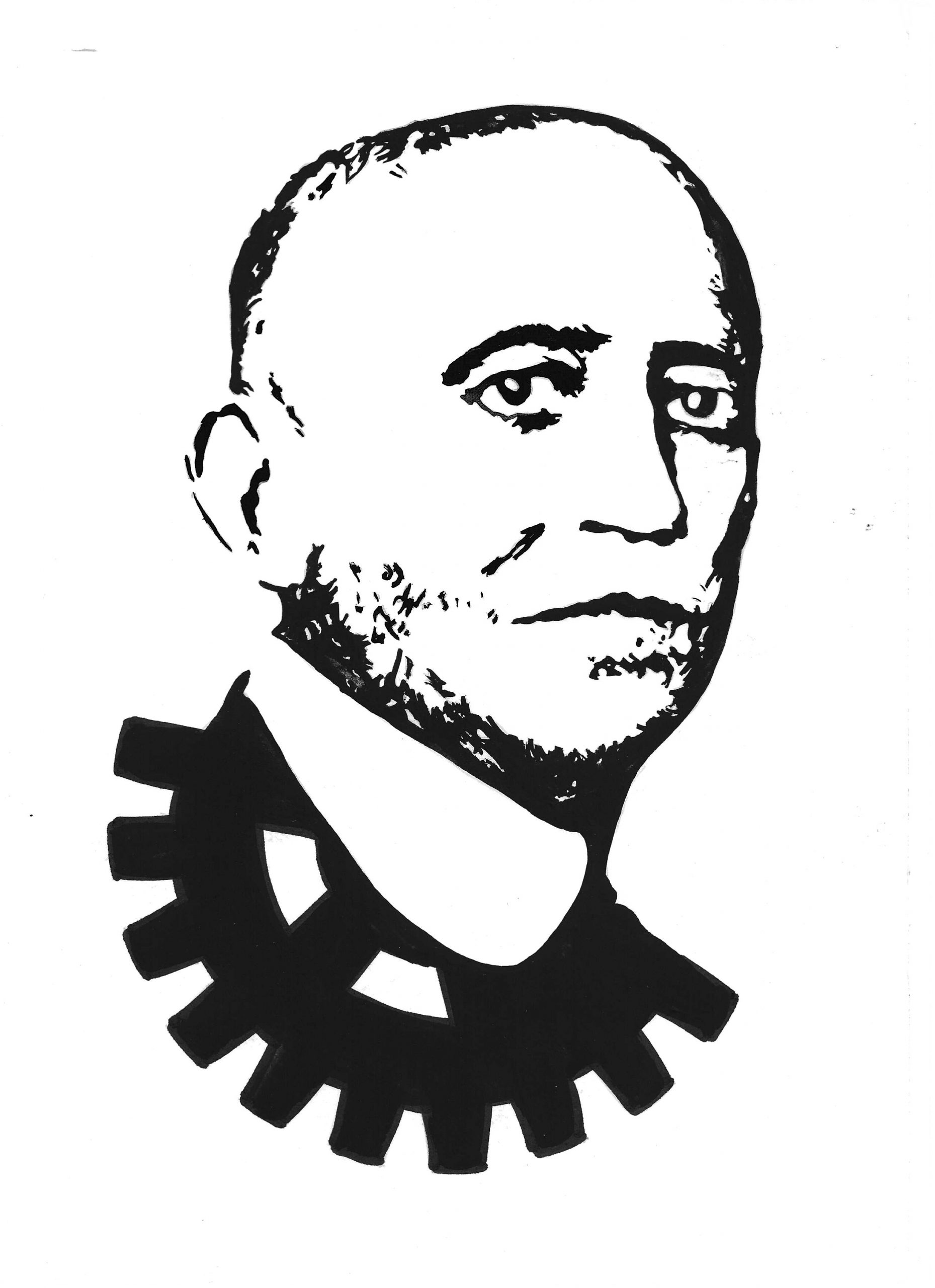
A creat primul observator cu spectroheliograf din Europa Orientală. A stabilit că planeta Mercur nu are atmosferă, pe baza studierii trecerii planetei peste discul Soarelui în anii 1907 și 1924.
Nicolae Donici (n. 1 septembrie 1874, Petricani, Chișinău – d. 1956, Franța) a fost un savant de talie mondială, astronom de prestigiu și membru fondator al Uniunii Astronomice Internaționale. Născut pe teritoriul Basarabiei într-o familie de boieri cu adânci rădăcini istorice — având o confirmare documentară exactă a nașterii sale în regiune — Donici și-a dedicat viața studierii cosmosului, reprezentând cu onoare știința la cel mai înalt nivel.
Educația și Formarea Academică
După finalizarea studiilor secundare, Nicolae Donici a urmat cursurile Universității din Odesa, unde a fost profund influențat de rigoarea științelor exacte. Pasiunea sa pentru astronomie l-a determinat să colaboreze rapid cu instituții de prestigiu din Europa, inclusiv observatorul din Pulkovo și Observatorul din Paris. Aici a acumulat o experiență tehnică și teoretică inegalabilă în observarea aștrilor, pregătindu-se pentru proiectele vizionare pe care avea să le dezvolte acasă.
Observatorul de la Dubăsarii Vechi
Cea mai importantă moștenire lăsată științei pe teritoriul Basarabiei este Observatorul Astronomic din Dubăsarii Vechi. În anul 1908, folosind exclusiv fonduri proprii, Donici a construit pe moșia sa un observator privat considerat, la acea vreme, printre cele mai bine dotate din Europa. Echipat cu telescoape, un spectroheliograf și aparatură meteorologică de ultimă generație comandate special din Germania, observatorul a transformat o localitate rurală basarabeană într-un pol științific global. Aici s-au efectuat observații cruciale asupra activității Soarelui, cometelor și luminii zodiacale.
Expedițiile Științifice și Fizica Solară
Savantul basarabean a fost un veritabil pionier al fizicii solare și un neobosit „vânător de eclipse”. Pentru a studia cromosfera și coroana solară, el a organizat și finanțat expediții științifice pe întregul glob, observând șase eclipse totale de Soare în locații precum Spania, Cambodgia, SUA și Portugalia. Calitatea excepțională a fotografiilor sale și rigoarea analizelor spectrale i-au adus recunoașterea întregii comunități științifice, fiind ales membru de onoare al Academiei Române în anul 1922.
Moștenirea unui Savant Dedicat
Deși a doua jumătate a vieții sale a fost marcată de pierderea dramatică a observatorului și a aparaturii în anul 1940, urmată de exilul în Franța (unde și-a continuat activitatea la Observatorul din Meudon), dedicarea sa față de cercetare a rămas neclintită. Prin infrastructura inovatoare creată la Dubăsarii Vechi și prin contribuțiile sale la fizica solară, Nicolae Donici este o figură fundamentală în istoria inventicii și a științei, demonstrând impactul uriaș pe care îl poate avea o minte strălucită, formată pe pământ basarabean.
Nicolae DONICI – EN
He created the first observatory equipped with a spectroheliograph in Eastern Europe. He established that the planet Mercury has no atmosphere, based on the study of the planet’s transit across the disk of the Sun in 1907 and 1924.
Nicolae Donici (b. September 1, 1874, Petricani, Chi?inгu – d. 1956, France) was a world-class scientist, renowned astronomer, and founding member of the International Astronomical Union. Born in the Bessarabia region into a family of boyars with deep historical roots — with exact documentary confirmation of his birth in the region — Donici dedicated his life to studying the cosmos, honorably representing science at the highest level.
Education and Academic Training
After completing his secondary studies, Nicolae Donici attended the University of Odesa, where he was profoundly influenced by the rigor of the exact sciences. His passion for astronomy led him to quickly collaborate with prestigious institutions in Europe, including the Pulkovo Observatory and the Paris Observatory. Here, he accumulated unparalleled technical and theoretical experience in observing celestial bodies, preparing for the visionary projects he would later develop back home.
The Dubăsarii Vechi Observatory
The most important legacy left to science on the territory of Bessarabia is the Astronomical Observatory in Dubгsarii Vechi. In 1908, using exclusively his own funds, Donici built a private observatory on his estate, considered at the time to be among the best-equipped in Europe. Outfitted with telescopes, a spectroheliograph, and state-of-the-art meteorological equipment specially ordered from Germany, the observatory transformed a rural Bessarabian locality into a global scientific hub. Crucial observations on the Sun’s activity, comets, and zodiacal light were conducted here.
Scientific Expeditions and Solar Physics
The Bessarabian scientist was a true pioneer of solar physics and a tireless „eclipse hunter.” To study the chromosphere and the solar corona, he organized and financed scientific expeditions across the globe, observing six total solar eclipses in locations such as Spain, Cambodia, the USA, and Portugal. The exceptional quality of his photographs and the rigor of his spectral analyses brought him the recognition of the entire scientific community, and he was elected an honorary member of the Romanian Academy in 1922.
The Legacy of a Dedicated Scientist
Although the second half of his life was marked by the dramatic loss of his observatory and equipment in 1940, followed by his exile to France (where he continued his work at the Meudon Observatory), his dedication to research remained unwavering. Through the innovative infrastructure created at Dubгsarii Vechi and his contributions to solar physics, Nicolae Donici stands as a fundamental figure in the history of invention and science, demonstrating the enormous impact a brilliant mind forged on Bessarabian soil can have.
Николай ДОНИЧ – RU
Он создал первую обсерваторию со спектрогелиографом в Восточной Европе. Он установил, что планета Меркурий не имеет атмосферы, на основе изучения прохождения планеты по диску Солнца в 1907 и 1924 годах.
Николай Донич (род. 1 сентября 1874 г., Петриканы, Кишинёв – ум. 1956 г., Франция) — ученый мирового масштаба, выдающийся астроном и один из основателей Международного астрономического союза. Родившись на территории Бессарабии в дворянской семье с глубокими историческими корнями — с точным документальным подтверждением его рождения в этом регионе — Донич посвятил свою жизнь изучению космоса, с честью представляя науку на самом высоком уровне.
Образование и академическая подготовка
После окончания среднего образования Николай Донич учился в Императорском Новороссийском университете в Одессе, где глубоко проникся строгостью точных наук. Его страсть к астрономии быстро привела к сотрудничеству с престижными институтами Европы, включая Пулковскую и Парижскую обсерватории. Здесь он накопил уникальный технический и теоретический опыт наблюдения за небесными телами, готовясь к реализации дальновидных проектов, которые позже развернул на родине.
Обсерватория в Старых Дубоссарах
Важнейшим наследием, оставленным науке на территории Бессарабии, стала астрономическая обсерватория в Старых Дубоссарах. В 1908 году исключительно на собственные средства Донич построил в своем имении частную обсерваторию, которая на тот момент считалась одной из лучших по оснащению в Европе. Оборудованная телескопами, спектрогелиографом и новейшими метеорологическими приборами, изготовленными по специальному заказу в Германии, обсерватория превратила сельский бессарабский населенный пункт в глобальный научный центр. Здесь проводились важнейшие наблюдения за солнечной активностью, кометами и зодиакальным светом.
Научные экспедиции и физика Солнца
Бессарабский ученый был настоящим первопроходцем в области физики Солнца и неутомимым «охотником за затмениями». Для изучения хромосферы и солнечной короны он организовал и профинансировал научные экспедиции по всему земному шару, исследовав шесть полных солнечных затмений в таких местах, как Испания, Камбоджа, США и Португалия. Исключительное качество его фотографий и строгость спектрального анализа принесли ему признание всего мирового научного сообщества, а в 1922 году он был избран почетным членом Румынской академии.
Наследие преданного ученого
Хотя вторая половина его жизни была омрачена драматической потерей обсерватории и оборудования в 1940 году с последующей эмиграцией во Францию (где он продолжил свою работу в Медонской обсерватории), его преданность исследованиям оставалась непоколебимой. Благодаря инновационной инфраструктуре, созданной в Старых Дубоссарах, и его вкладу в физику Солнца, Николай Донич является фундаментальной фигурой в истории науки и изобретательства, демонстрируя колоссальное влияние, которое может оказать блестящий ум, сформировавшийся на бессарабской земле.